
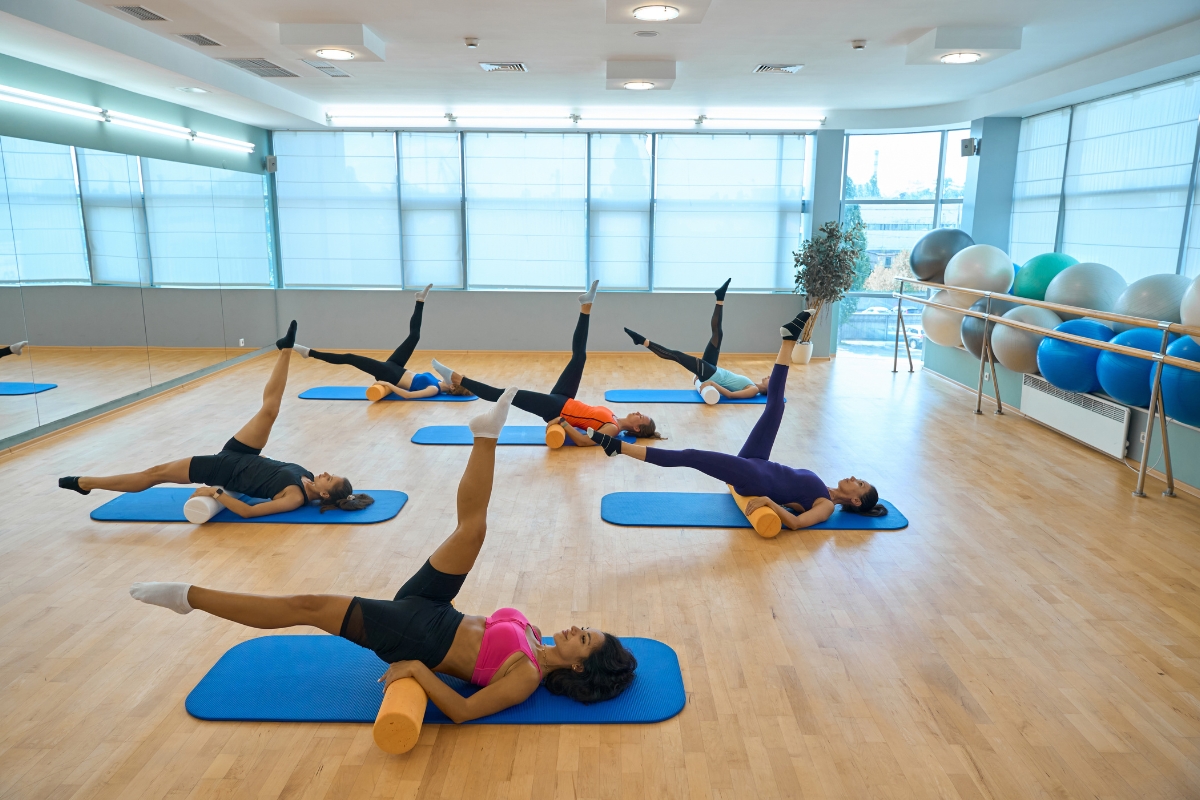
Aging no longer looks the way it used to. Many people in their 60s today are staying active, exploring new hobbies, and prioritizing their health like never before. Retirement is no longer about slowing down. Instead, it often includes travel plans, social activities, and maintaining independence.
As routines evolve, so do fitness choices. Many are turning to low-impact workouts that support long-term mobility without adding strain. This is where practices like Pilates are gaining attention. At a trusted pilates studio, adults are discovering a method that feels both effective and sustainable.
Pilates offers a controlled, mindful approach to movement. It focuses on strength, flexibility, and balance, all essential for aging well. In this blog, you will learn how active aging is reshaping fitness trends, why Pilates fits perfectly into this shift, and how it supports a healthier, more confident lifestyle.
What Does “Active Aging” Really Mean Today?
Active aging is about staying physically, mentally, and socially engaged as you grow older. It is not about intense workouts or pushing limits. Instead, it focuses on maintaining independence, mobility, and overall well-being.
In the past, aging often meant slowing down and avoiding physical activity. Many people accepted stiffness, reduced energy, and limited movement as part of getting older. Today, that mindset has changed. People now understand that movement plays a key role in maintaining quality of life.
Active aging encourages regular activity that supports daily function. This includes walking comfortably, maintaining balance, and performing everyday tasks without discomfort. It also promotes mental clarity and emotional well-being.
Preventive health is now a major focus. Instead of reacting to issues later, individuals are taking steps to stay ahead. Fitness routines are chosen carefully to reduce risk and support long-term health.
Pilates fits well into this modern approach. It focuses on controlled movement, proper alignment, and breathing. These elements help support both physical strength and mental awareness, making it an ideal option for those embracing active aging.
Why the 60+ Demographic Is Becoming a Fitness Powerhouse
The 60+ population is redefining what it means to stay active. Several factors contribute to this shift, and together they are creating a strong movement toward healthier aging.
Life expectancy has increased, and healthcare has improved. People are living longer and want to maintain a high quality of life. Staying active helps support this goal.
There is also a growing desire to remain independent. Many individuals want to continue enjoying daily activities, whether it is walking through local parks, visiting farmers’ markets, or attending community events. Fitness becomes a tool to support this lifestyle.
Access to wellness resources has also expanded. From community centers to boutique fitness spaces like Inhale Exhale, there are more opportunities to explore guided movement in a safe environment.
Social connection plays a role as well. Group classes provide a sense of community, making exercise more enjoyable and consistent. This helps individuals stay motivated and engaged.
Most importantly, there has been a cultural shift. Aging is no longer viewed as a limitation. Instead, it is seen as an opportunity to stay strong, active, and involved. The focus is on aging well, not stepping back.
Why Pilates Is Ideal for Adults Over 60
Low-Impact Yet Highly Effective
Pilates focuses on gentle, controlled movements that protect the joints. This reduces the risk of strain while still building strength. It allows individuals to stay active without discomfort.
Improves Balance and Prevents Falls
Balance becomes more important with age. Pilates strengthens stabilizing muscles and improves coordination. This helps reduce the likelihood of falls and supports safer movement.
Builds Core Strength for Daily Activities
A strong core supports posture and stability. Pilates targets these muscles, making everyday movements like walking, bending, and lifting easier and more controlled.
Enhances Flexibility Without Overstretching
Flexibility improves gradually through guided movements. Pilates avoids sudden or extreme stretches, making it a safe option for those who want steady progress.
Key Health Benefits of Pilates for Active Aging
Pilates supports overall health in ways that go beyond basic exercise. One of the key benefits is improved posture. Better alignment reduces strain on the body and helps prevent discomfort.
Many people also notice reduced back and joint tension. Controlled movements help strengthen muscles that support the spine, leading to better stability.
Breathing plays an important role in Pilates. Deep, mindful breathing improves circulation and supports relaxation. This can help reduce stress and improve focus.
Mental clarity is another benefit. Concentrating on movement and breathing creates a calming effect, helping individuals stay present and engaged.
Pilates also supports mobility and bone health. Regular movement helps maintain strength and flexibility, both of which are essential for staying active over time.
Can Pilates Help Prevent Age-Related Health Issues?
Pilates can play a role in reducing the impact of common age-related concerns. Conditions like stiffness, joint discomfort, and balance challenges often develop gradually. Staying active helps manage these changes.
For individuals dealing with arthritis or limited mobility, a pilates studio in New Town offers a gentle way to stay engaged. Movements can be adjusted to suit different comfort levels, making it adaptable for various needs.
Muscle preservation is another important factor. As the body ages, maintaining strength becomes essential. Pilates helps support muscle engagement without placing excessive strain on the body.
The focus is on prevention rather than correction. By building strength, improving balance, and supporting flexibility, Pilates helps individuals stay ahead of potential issues.
What a Pilates Session Looks Like After 60
A typical session begins with a gentle warm-up. This helps prepare the body and reduces the risk of strain. Movements are slow and controlled, allowing time to focus on alignment.
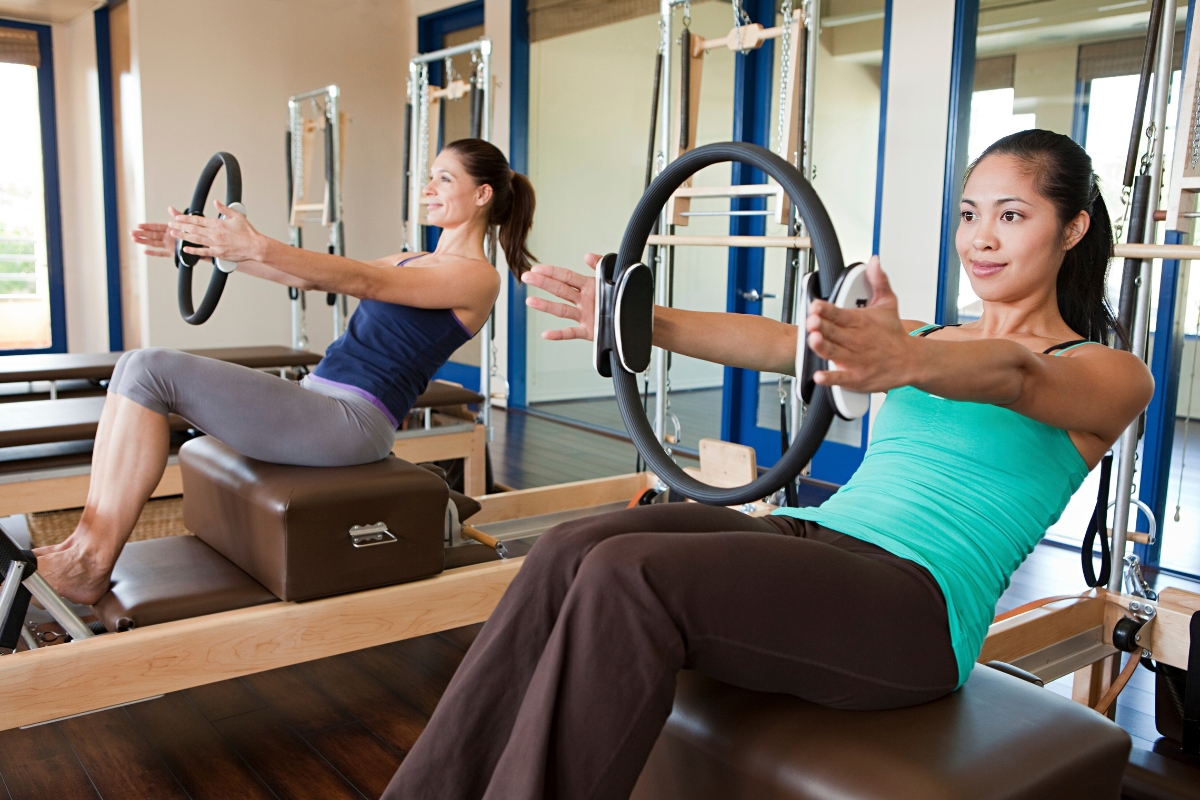
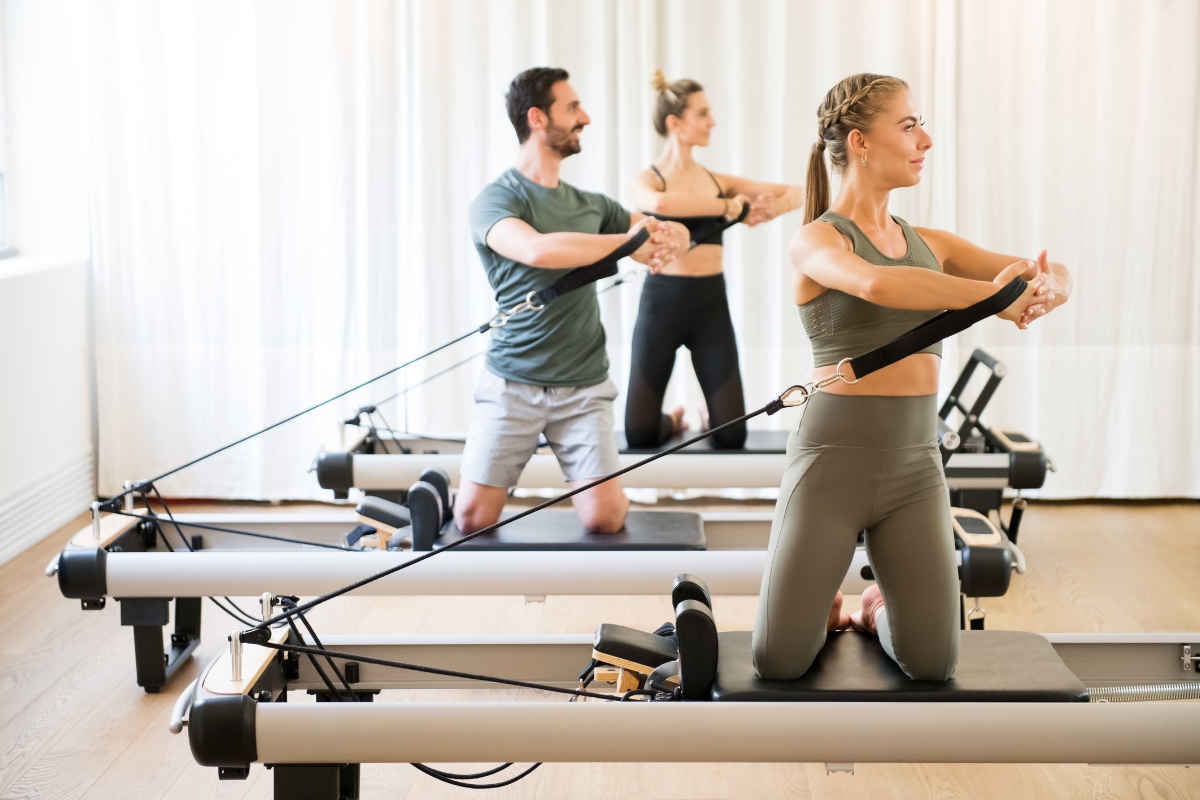
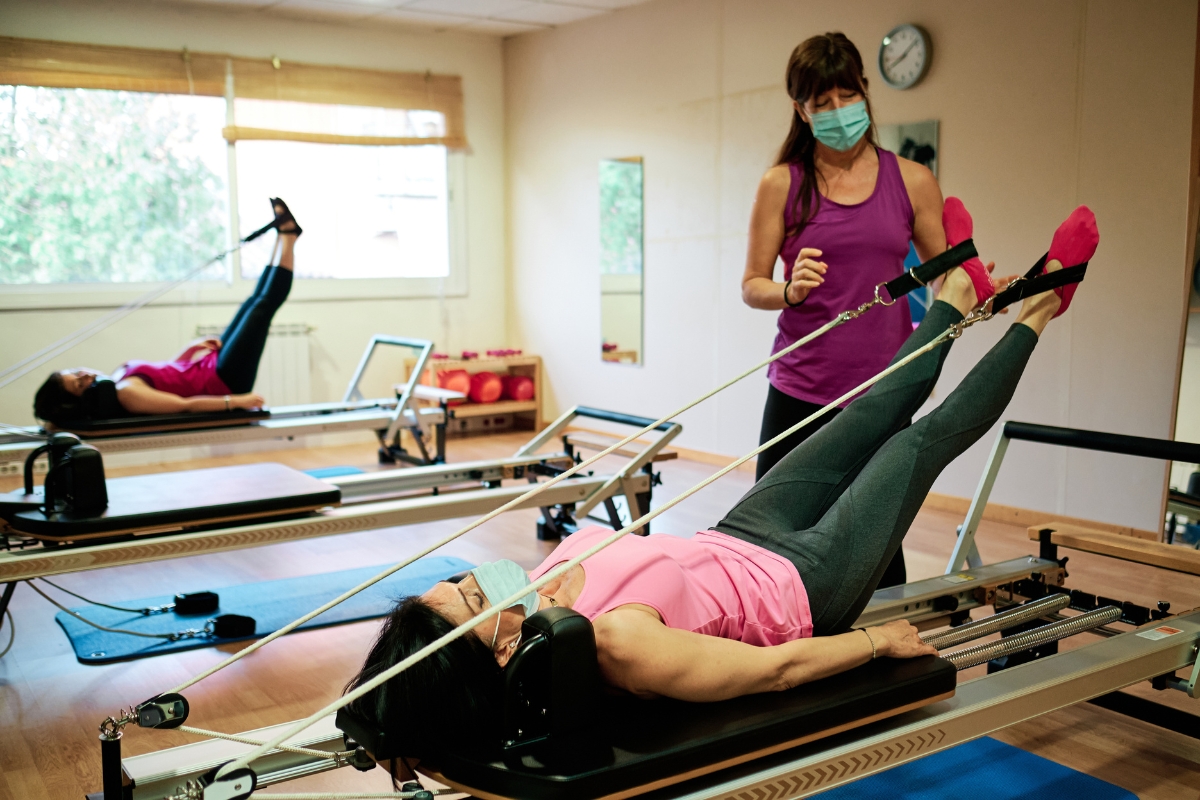
Exercises often include guided movements that target specific muscle groups. Props like resistance bands or reformers may be used to provide support and variety.
Breathing is a key part of each session. Coordinating breath with movement helps improve control and relaxation.
In a welcoming space like a local Pilates Studio in New Town, sessions are designed to feel comfortable and approachable. The goal is to build strength while maintaining ease and confidence.
How to Start Pilates Safely in Your 60s
Starting Pilates does not require prior experience. However, it is important to approach it thoughtfully.
Consulting a healthcare provider can be helpful, especially if there are existing health concerns. This ensures that the chosen routine is appropriate.
Beginner-friendly or senior-focused classes are a great starting point. These sessions are designed with comfort and safety in mind.
Working with trained instructors helps ensure proper form. This reduces the risk of strain and improves results.
Starting slowly is key. Progress should feel steady and manageable. Over time, strength and flexibility will improve naturally.
Common Concerns About Pilates for Older Adults
Am I Too Old to Start?
It is never too late to begin. Pilates is adaptable and designed to meet individuals where they are.
What If I Have Joint Pain?
Movements can be modified to suit different comfort levels. This makes Pilates a suitable option for those with joint concerns.
Do I Need Prior Fitness Experience?
No experience is required. Pilates focuses on simple, guided movements that are easy to follow.
Real-Life Impact: How Pilates Supports Everyday Living
Pilates makes a noticeable difference in daily life. Simple tasks like getting up from a chair become easier and more controlled.
Walking stability improves, making outdoor activities more enjoyable. Whether it is a stroll through a local park or running errands, movement feels more natural.
Posture also improves over time. Standing and sitting become more comfortable, reducing strain on the body.
Confidence grows as movement becomes easier. This encourages individuals to stay active and engaged in their routines.
At places like Inhale Exhale, many participants find that Pilates helps them feel more capable in their everyday lives.
Why This Trend Will Keep Growing
The interest in active aging continues to rise. As the population grows older, more people are looking for ways to stay healthy and independent.
There is also a stronger focus on longevity and overall wellness. People want to feel good, not just live longer.
Community-driven fitness is becoming more popular. Group settings provide support and motivation, making it easier to stay consistent.
Low-impact exercise options are in demand. Pilates meets this need by offering a safe and effective way to stay active.
Aging does not mean slowing down. It means finding smarter ways to stay active and maintain independence. Pilates offers a balanced approach that supports strength, flexibility, and confidence.
Choosing a supportive environment like Inhale Exhale can make the journey more comfortable and enjoyable. If you are ready to explore a routine that fits your lifestyle, now is the perfect time to begin.
Book your session today and take the first step toward stronger, more confident movement.
People Also Ask
Is Pilates suitable for beginners with no fitness experience?
Pilates is beginner-friendly and focuses on controlled, simple movements. Many classes are designed specifically for first-timers, making it easy to start without prior fitness experience.
Can Pilates help with joint stiffness or discomfort?
Yes, Pilates encourages gentle movement that can help reduce stiffness. It improves flexibility and supports joint function without placing excessive stress on the body.
How long does it take to see results from Pilates?
Many people notice improved flexibility and posture within a few weeks. Strength and balance improvements typically develop gradually with consistent practice over time.
Is it okay to do Pilates with existing health conditions?
In many cases, Pilates can be adapted for different health conditions. It is important to consult a healthcare provider and work with an instructor who can modify exercises safely.
What should I wear to a Pilates session?
Wear comfortable, breathable clothing that allows easy movement. Fitted outfits are often preferred so instructors can guide posture and alignment more effectively during exercises.