
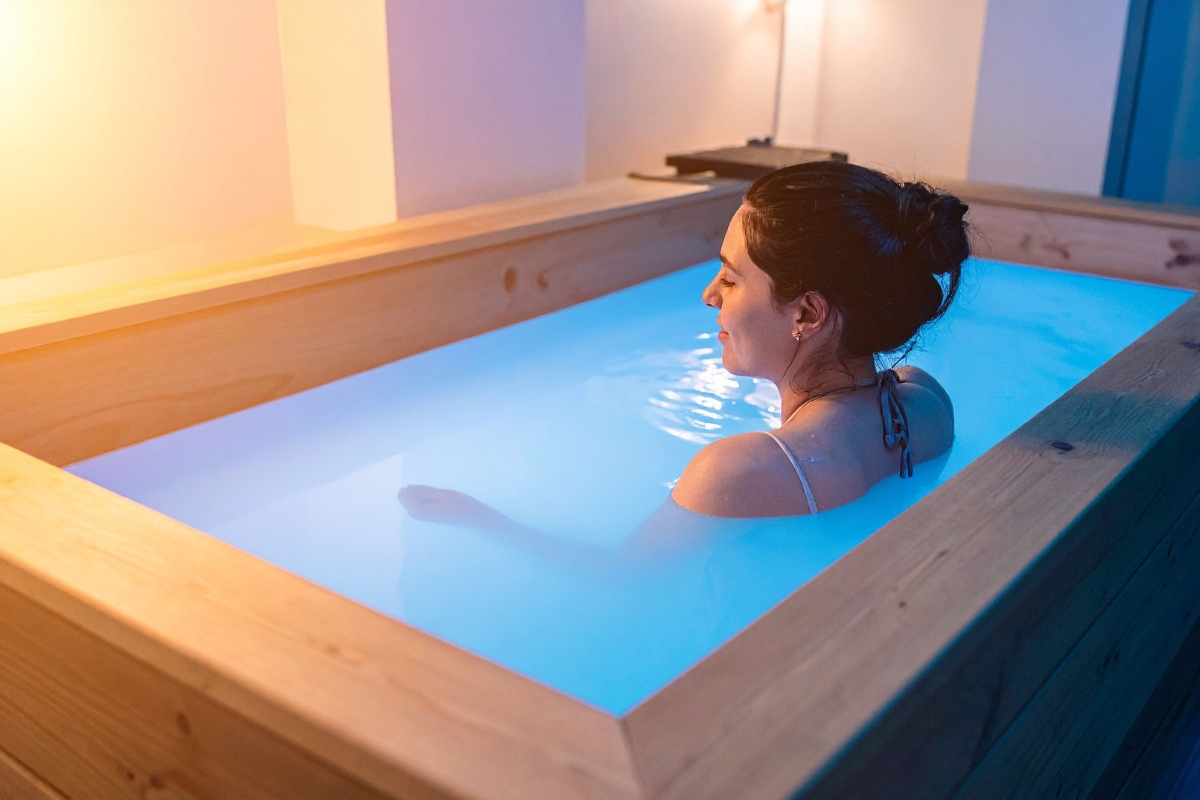
If you’re looking for a fresh, all-in-one approach to fitness and recovery, pairing cold plunge therapy with Pilates might be exactly what you need. These two work together in a way that not only builds strength but also helps your body bounce back faster. You end up feeling better, moving better, and honestly, getting more out of every workout. Doesn’t matter if you’re just starting out or if you’ve been training for years—knowing how cold plunges and Pilates work together will help you see why this combo stands out. Let’s explore why it resonates and how it could transform your routine.
So, what’s cold plunge therapy all about?
It’s a straightforward process: you immerse your body in cold water, typically at a temperature of around 45 to 60 degrees Fahrenheit (7 to 15 degrees Celsius), for a duration of 3 to 10 minutes. People have been doing this for centuries, and it has gained significant popularity in the wellness world lately. It turns out to pack a punch when it comes to benefits.
Here are the significant ones:
- It fights inflammation. Cold water constricts your blood vessels, which helps reduce swelling and muscle soreness.
- It gets your blood moving. The sudden cold makes your body send blood rushing to your organs, which helps with circulation and healing.
- It speeds up recovery. Cold plunges help limit muscle damage after a tough workout, so you’re ready to go again sooner.
- It gives your mood and energy a boost. That cold shock triggers your body to release endorphins, leaving you feeling more relaxed and better.
Now, why Pilates?
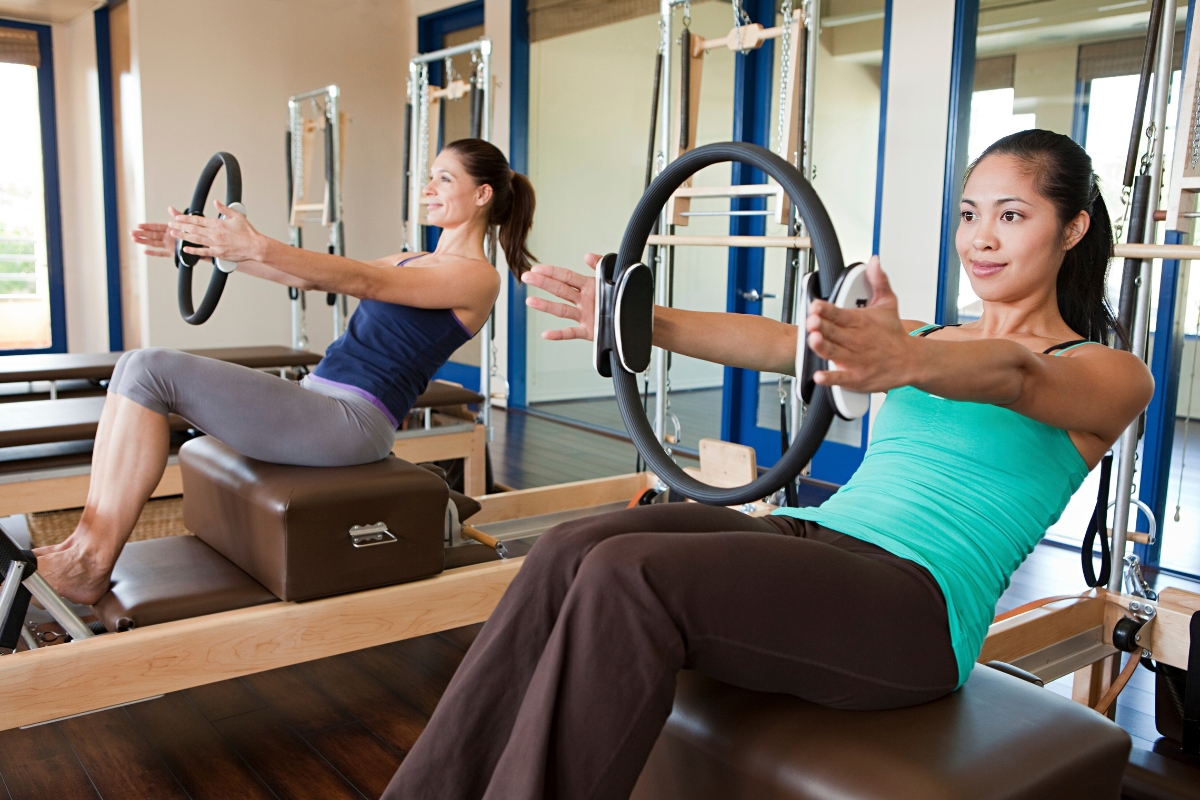
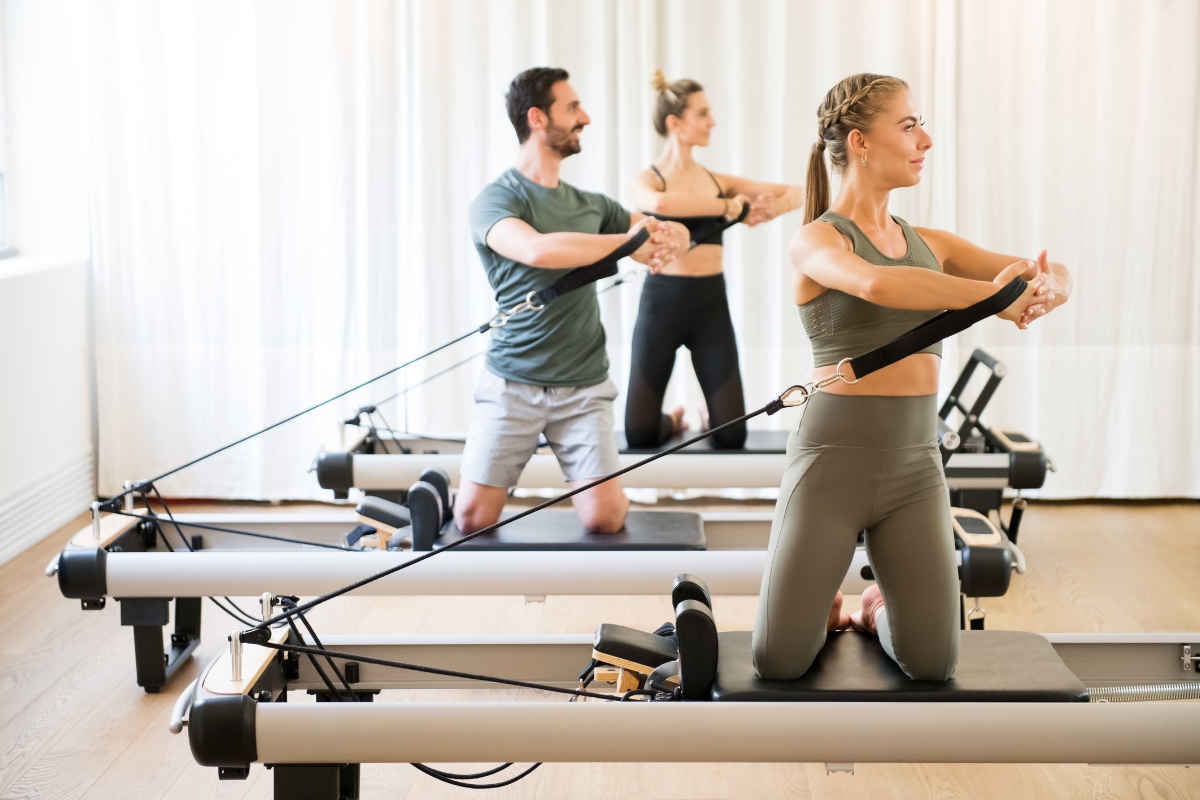
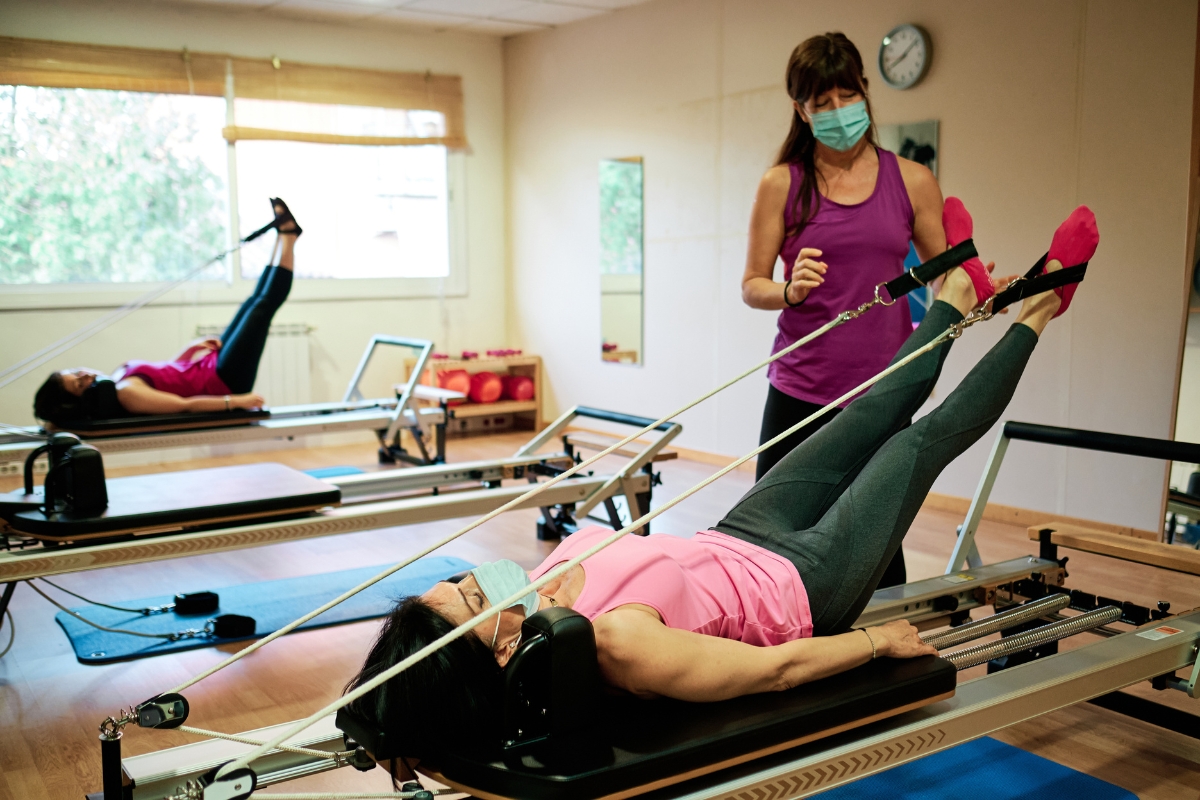
Pilates is a low-impact workout that focuses on building a strong core, increasing flexibility, and enhancing body movement. It doesn’t matter if you’re new to exercise or already in great shape—Pilates fits right in. You’ll tone up, stand taller, and move with better balance, all of which makes daily life easier.
Here’s what Pilates really does for you:
- Builds a solid core. Every move in Pilates is about keeping your center strong and stable.
- Makes you flexible. Through stretches and monitored movements, you get more limber and lengthen those muscles.
- Improves posture. Pilates helps correct imbalances and promotes a more upright posture, reducing strain on your body.
- Strengthens the mind-body connection. You’ll develop awareness of how you move, and it’s a solid way to release stress.
Put cold plunges and Pilates together, and you’ve got a team that covers all the bases. Cold plunges help reduce soreness and inflammation after your Pilates session, allowing you to recover more quickly and get back to training. Pilates, meanwhile, makes your muscles longer and stronger, so your body handles the shock of cold water even better. The result? Faster recovery, more strength, greater flexibility—a routine that works as hard as you do.
Here’s how the combo really helps:
- Muscle recovery: After Pilates, your muscles have tiny tears. Cold plunges help limit that damage, so you heal faster.
- Flexibility and strength: Pilates improves both, while cold plunges help you keep up the intensity without burning out.
- Less stress: Both practices boost endorphins, leaving you calmer and more relaxed after your workout.
If you’re in Newtown, Kolkata, cold plunge therapy is catching on at a local Pilates studio like Inhale Exhale. Adding cold plunges to your routine can be a total game-changer—it helps your body recover, keeps your circulation humming, and even sharpens your focus. Whether you’re smoothing out your body from a tough Pilates class or just want to start your day feeling refreshed, it’s worth trying.
When it comes to building real strength, Pilates and cold plunges make a perfect match. Pilates provides you with practical, functional strength through carefully executed, precise movements. Cold plunges help keep your muscles healthy and inflammation in check, allowing you to push yourself further without setbacks.
Together, these two provide a routine that not only helps muscles grow but also keeps them in top shape for the long haul.
Bottom line? Mixing cold plunge therapy with Pilates isn’t just some passing fad. It’s a smart and effective way to recover and get stronger, regardless of your starting point. Add both to your routine, and you’ll notice real changes—not just in how you look, but in how you feel every day.
If you’re ready to enhance your recovery process and improve your strength, visit our Pilates studio near Kolkata today to experience the combined benefits of cold plunge therapy and Pilates. Your body will thank you!
FAQs
1. How often should I do cold plunge therapy after Pilates?
It’s recommended to try cold plunge therapy after every intense Pilates session; however, beginners may start with one to two sessions per week. Gradually increasing the frequency helps your body adapt to the exercise.
2. What are the risks of cold plunge therapy?
Cold plunge therapy can cause discomfort for people who are not accustomed to cold exposure. Always consult with a professional before starting this treatment, especially if you have underlying health conditions like cardiovascular issues.
3. Can cold plunge therapy help with muscle stiffness?
Yes, cold plunge therapy helps to reduce muscle stiffness by decreasing inflammation and improving circulation to affected muscles, which speeds up recovery.
4. How long should I stay in a cold plunge after Pilates?
Most people stay in the cold plunge for 3 to 5 minutes. Staying longer may be too intense for some, but this duration is typically enough to reap the benefits of improved circulation and muscle recovery.