
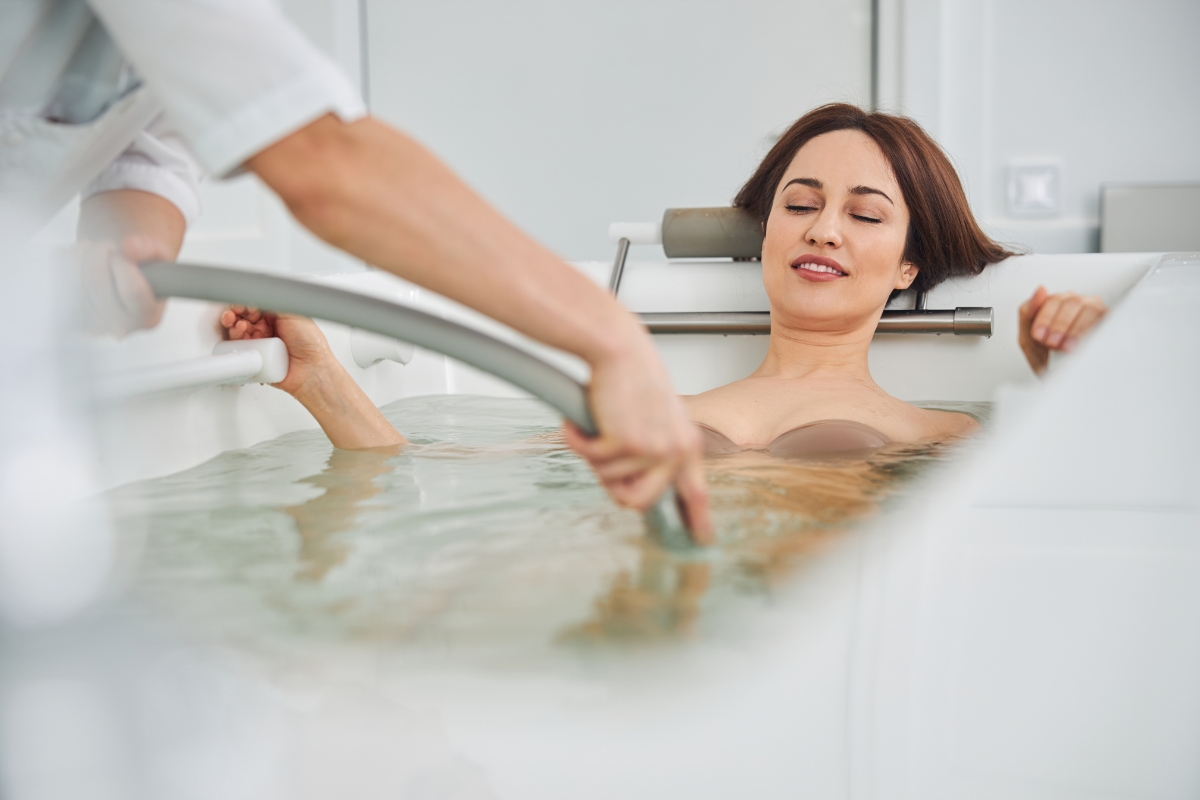
For those who love combining exercise with recovery, cold plunge therapy is becoming a popular addition to many fitness routines. As the temperatures drop, people around Newtown and beyond are discovering the numerous benefits of a cold plunge before or after Pilates classes. But what’s the best way to incorporate this rejuvenating practice into your Pilates routine? Should you cold plunge before your Pilates class to boost energy, or is it better to use it post-class for recovery?
Let’s dive deep into how cold plunge therapy works and how you can use it to enhance your Pilates experience at your local Pilates studio in Newtown.
Understanding Cold Plunge Therapy
Cold plunge therapy involves immersing your body in cold water, typically around 10-15°C, for a short period of time, usually 3 to 5 minutes. The practice is known for reducing inflammation, boosting circulation, and accelerating muscle recovery. Many athletes, fitness enthusiasts, and wellness advocates swear by its benefits for the body.
Whether you’re training for a marathon or attending a Pilates class at a Newtown studio, cold plunge therapy can be an excellent addition to your recovery. It’s a method of alleviating soreness, improving blood flow, and promoting overall well-being.
But is it better to do this before or after Pilates?
Cold Plunge Before Pilates: Is It Beneficial?
For many people, starting the day with a cold plunge is an invigorating way to wake up and prepare the body for physical activity. If you’re heading to your Pilates studio in Newtown for a class, plunging into cold water before your workout can give your body an initial shock that activates the central nervous system, increases heart rate, and helps you feel more alert.
Here are the benefits of using cold plunge therapy before your Pilates session:
- Boosts Circulation: The cold water causes blood vessels to constrict, and when you get out of the water, the vessels dilate, pushing blood to your muscles and organs. This increased circulation helps oxygenate your muscles before Pilates, which can improve your performance during class.
- Improves Mental Clarity: Cold exposure stimulates the release of norepinephrine, a hormone that enhances focus and mental clarity. So, if you want to go into your Pilates session feeling energized and full of life, a quick cold plunge could help.
- Reduces Muscle Fatigue: Cold plunge therapy can help prevent muscle fatigue by reducing lactic acid buildup, making Pilates exercises feel more comfortable and effective.
Cold Plunge After Pilates: A Recovery Essential
On the other hand, many people swear by cold plunge therapy after Pilates for its recovery benefits. After your Pilates session, your muscles have been stretched and activated, which can lead to inflammation, fatigue, or even microtears in the muscle fibers. Cold plunge therapy is designed to tackle these issues head-on.
Here’s how cold plunge therapy after Pilates can benefit your body:
- Speeds Up Muscle Recovery: After Pilates, your muscles are likely to be fatigued and inflamed. Cold water helps reduce inflammation and prevent soreness the next day, allowing you to get back to your regular routine without discomfort.
- Reduces Swelling and Inflammation: Cold plunges are particularly effective in reducing swelling and inflammation in the body. If you have specific areas of tension or stiffness after Pilates, cold plunge therapy can target these spots, helping you recover more quickly.
- Improves Sleep Quality: After a Pilates class, your body might be buzzing with energy. Taking a cold plunge can help calm the nervous system and lower your body temperature, promoting a deeper, more restful sleep after your workout.
The Ideal Timing: Cold Plunge Therapy for Pilates
Ultimately, the best time to cold plunge depends on your personal goals and preferences. If you’re looking to energize and wake up your body before class, a pre-Pilates cold plunge can be highly effective. However, if your main goal is to speed up recovery, improve muscle function, and reduce soreness, a post-Pilates cold plunge is your best bet.
Combining Cold Plunge Therapy with Pilates for Maximum Results
If you’re aiming to enhance your Pilates experience, consider incorporating cold plunge therapy into your routine based on your specific needs.
- Pre-Class Cold Plunge: Use cold plunge therapy before Pilates for a mental and physical boost. It can increase alertness and prepare your body for the upcoming movements.
- Post-Class Cold Plunge: Use cold plunge therapy after Pilates to reduce inflammation, promote muscle recovery, and enhance overall relaxation.
You can also alternate depending on how your body feels. On days when you’re particularly sore, post-class cold plunges might be more beneficial. On other days when you need a mental boost, a pre-class plunge might be the way to go.
Whether you prefer to cold plunge before or after your Pilates class, this recovery practice can significantly enhance your Pilates routine. Cold plunge therapy has a wide range of benefits, from boosting circulation to speeding up recovery and improving mental clarity. At our Pilates studio in Newtown, we encourage you to experiment with both pre- and post-class cold plunges to discover what works best for you. If you’re looking to elevate your Pilates experience with cold plunge therapy, why not schedule a class at our Inhale Exhale Pilates Studio in Newtown and see the benefits for yourself?
Common Questions
1. Can I do cold plunge therapy every day?
Yes, you can! Cold plunge therapy can be done daily, but listen to your body. If you feel overly fatigued, consider taking a rest day or opting for a less intense plunge.
2. How long should I stay in a cold plunge?
Typically, spending 3-5 minutes in a cold plunge is enough to reap the benefits. Going longer may increase the risk of hypothermia or other complications.
3. Is cold plunge therapy safe?
Cold plunge therapy is safe for most people but may not be recommended for individuals with certain medical conditions, like Raynaud’s disease or heart issues. Always check with a healthcare provider before starting any cold therapy.
4. Can cold plunge therapy replace post-workout stretching?
Cold plunge therapy should be considered a supplement, not a replacement, for stretching. It helps reduce inflammation and soreness, but doesn’t provide the same benefits for flexibility and mobility as stretching.
5. How do I feel after a cold plunge?
Most people feel rejuvenated and energized after a cold plunge. The cold exposure helps increase circulation, reduce swelling, and boost overall mental clarity.