
Do you feel overwhelmed by stress? What if there was a way to reset your nervous system and find calm, all while strengthening your body? In today’s fast-paced world, stress can affect us both mentally and physically, leaving us feeling disconnected and drained. The good news is that there’s a holistic way to combat stress and reset your nervous system: Pilates.
By combining mindful movement with controlled breathing, Pilates helps calm the nervous system, allowing you to release stress and restore balance. In this blog, we’ll explore how our Pilates studio, Inhale Exhale, offers a sanctuary where you can reset, rejuvenate, and combat stress through mindful movement.
Understanding the Nervous System and Stress
The nervous system plays a central role in how we respond to stress. It is divided into two main components: the sympathetic nervous system (SNS) and the parasympathetic nervous system (PNS).
The SNS is responsible for the body’s “fight or flight” response, kicking in during stressful situations, while the PNS helps the body return to a relaxed state, promoting rest and recovery. When stress overwhelms the body, the SNS is activated too frequently, leaving us in a constant state of heightened alertness and tension.
Stress impacts not only our mental state but also our physical well-being. Chronic stress can lead to muscle tension, anxiety, headaches, and even long-term imbalances in our body’s hormonal and immune systems.
The body often holds on to the physical manifestations of stress, particularly in areas like the neck, shoulders, and lower back, making it harder for us to relax. Over time, this prolonged tension can lead to posture issues and chronic pain.
Additionally, stress can affect sleep patterns, digestion, and overall energy levels, making it difficult to focus or be productive. Understanding how the nervous system works and how stress affects our bodies is the first step in finding a solution. That’s where Pilates comes in, offering a way to reset the nervous system and restore balance.
How Pilates Supports Nervous System Reset
Mind-Body Connection in Pilates
Pilates is unique in that it focuses on both the body and mind. The exercises encourage mindfulness and body awareness, helping you reconnect with your physical self while calming the mind.
It focuses on slow, controlled movements that emphasize proper alignment, which promotes relaxation and awareness. This mindful movement helps activate the parasympathetic nervous system, which in turn aids in reducing the stress response.
Breathwork
One of the key aspects of Pilates that supports the nervous system reset is breathwork. In Pilates, breathing is not just a passive part of the exercise; it is a critical component. The method encourages deep, diaphragmatic breathing, which directly stimulates the vagus nerve, a major component of the parasympathetic nervous system.
This type of breathing helps lower the body’s stress response, reduce heart rate, and increase relaxation. As you inhale and exhale deeply, your body signals the nervous system to relax, bringing calm and mental clarity.
Movement for Stress Relief
The carefully structured movements in Pilates also promote muscle relaxation. The exercises are designed to stretch and strengthen muscles while improving posture, helping to release tension held in the body.
Many Pilates movements target the back, neck, and shoulders, common areas where stress manifests. By lengthening and strengthening these areas, Pilates provides lasting relief from the physical effects of stress, while also promoting better posture and alignment.
Through consistent Pilates practice, your body learns to release muscle tightness and stress more easily, leading to an overall sense of calm and well-being. The mindful movements allow you to tune into your body, creating a deep sense of relaxation that helps reset the nervous system.
The Science Behind Pilates and Stress Relief
Research and Evidence
Scientific studies have shown that regular Pilates practice has a positive impact on stress reduction. Research published in the Journal of Bodywork and Movement Therapies highlights the effectiveness of mind-body techniques like Pilates in reducing cortisol levels, the hormone associated with stress. In one study, participants who practiced Pilates reported feeling more relaxed and less stressed both mentally and physically.
Furthermore, Pilates has been shown to enhance the flexibility and strength of the muscles, which helps reduce the physical tension caused by stress. A study from the National Institutes of Health (NIH) supports the idea that mind-body interventions like Pilates are particularly effective for managing chronic pain and reducing anxiety, two common symptoms of prolonged stress.
Impact on Cortisol and Endorphins
Pilates is not just about physical movement. It also has a biochemical impact. By engaging in controlled movement and deep breathing, Pilates helps to regulate cortisol, the body’s primary stress hormone. When you engage in Pilates, your body experiences a decrease in cortisol levels, which helps relieve the physical burden of stress.
Simultaneously, Pilates boosts the production of endorphins, the body’s natural mood elevators. These “feel-good” chemicals help reduce pain and improve mood, providing both short-term and long-term relief from stress.
Real Benefits of Practicing Pilates for Stress Management
Physical Benefits
Pilates offers a range of physical benefits that directly impact stress. One of the most noticeable benefits is reduced muscle tension. As Pilates stretches and strengthens muscles, it relieves the tightness that often builds up in response to stress. This is particularly beneficial for areas prone to stress-related discomfort, like the shoulders, back, and neck. Pilates also improves flexibility, which helps to prevent injuries caused by muscle stiffness and misalignment.
Additionally, Pilates promotes better posture. Many people who are stressed tend to hunch their shoulders or slouch, which can further exacerbate tension. By focusing on alignment and body awareness, Pilates helps you develop better posture habits, leading to less physical strain throughout the day.
Mental Benefits
The mental benefits of joining a Pilates studio in New Town are equally important. Pilates encourages a deep mind-body connection, which helps you focus on the present moment, reducing anxiety and mental clutter.
With regular practice, Pilates can help enhance focus and mental clarity. The meditative nature of Pilates encourages mindfulness, which helps to reduce mental stress and promote a sense of calm.
Long-Term Stress Relief
Regular Pilates practice builds long-term resilience against stress. As you become more aware of your body and practice deep breathing, your body learns to cope with stress more healthily.
Over time, Pilates helps your nervous system stay balanced, making it easier to manage stressors and stay calm even in challenging situations. The benefits of Pilates are cumulative, and with each session, you’re not just releasing stress but also building the tools to handle future stress more healthily.
How Our Pilates Studio Facilitates a Stress-Free Experience
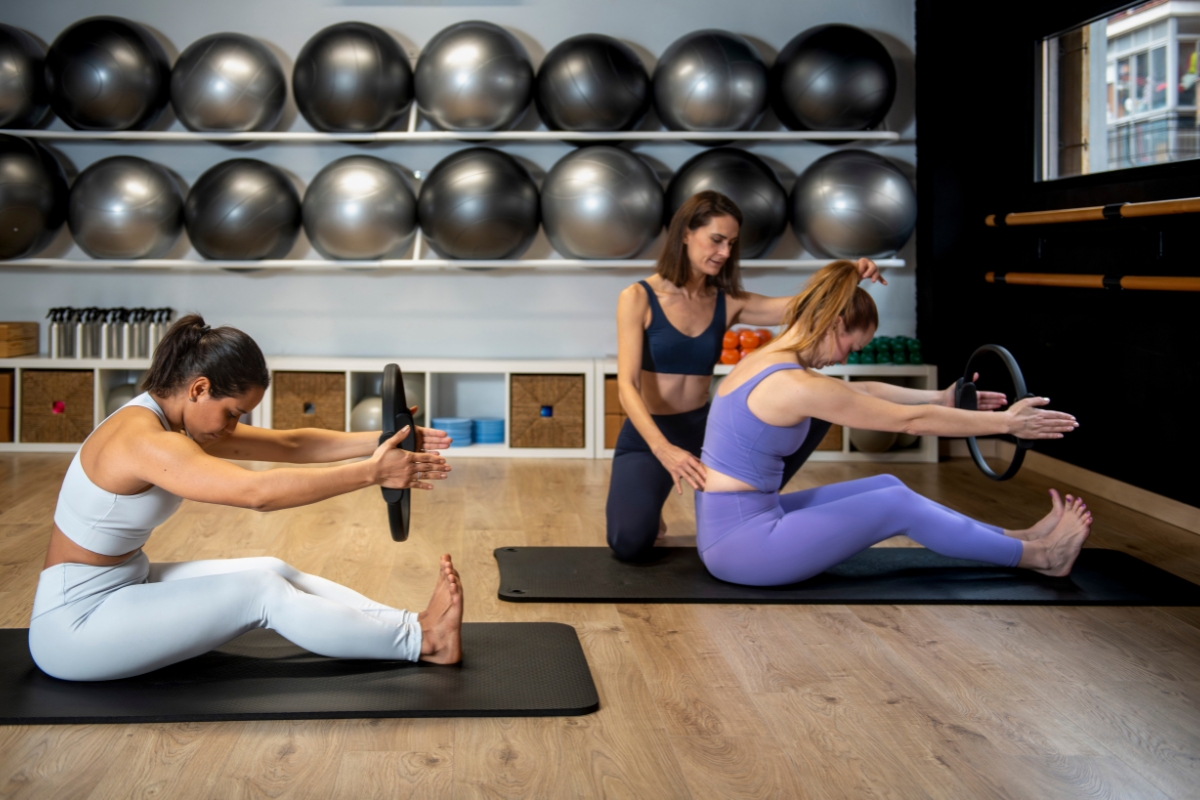
At Inhale Exhale, we understand the importance of creating a space where stress is left at the door. Our Pitales studio in New Town provides a peaceful, welcoming environment where you can focus on your body and mind. Our experienced instructors guide you through every session, ensuring you’re practicing in a way that supports both your physical health and mental well-being.
We offer a variety of Pilates classes specifically designed to help reduce stress and promote relaxation. Whether you’re looking for a more restorative Pilates session focused on breathwork or a dynamic class that helps release physical tension, we have something for everyone. Our classes incorporate mindfulness and breathing techniques that activate the parasympathetic nervous system, helping you reset your body and mind.
Pilates is not just about physical exercise. It’s a holistic practice that resets your nervous system and helps combat stress. At Inhale Exhale, we offer a space where you can escape the chaos of everyday life and restore balance to your body and mind.
Are you ready to reset your nervous system? Book your first class today and discover the transformative power of Pilates. Whether you’re new to Pilates or an experienced practitioner, we’re here to guide you on your journey to stress relief and wellness.
What People Want to Know
Is Pilates suitable for beginners who want to manage stress?
Absolutely! Pilates is beginner-friendly, and our instructors will guide you through exercises that are designed to help relieve stress and improve body awareness.
How often should I practice Pilates for stress relief?
To experience significant stress relief, it’s recommended to practice Pilates 2-3 times a week. Regular practice helps build long-term resilience to stress.
What makes Pilates different from other stress-relief exercises?
Pilates combines mindful movement, breath control, and posture correction, which specifically targets the nervous system to reduce stress and promote overall balance.
How does breathing in Pilates help with stress?
The deep breathing in Pilates activates the parasympathetic nervous system, which helps lower stress hormones, reduce heart rate, and promote relaxation.
Can Pilates help with physical stress, like muscle tension?
Yes, Pilates is great for relieving muscle tension caused by stress, as it focuses on stretching, strengthening, and releasing tight muscles, especially in the back and shoulders.