
If you are trying to lose weight, you may be wondering whether Pilates can actually help you achieve your goals. Pilates is often associated with improved posture, flexibility, core strength, and controlled movement, but it can also be a useful part of a weight-management routine.
The key is understanding what Pilates can and cannot do. Pilates alone may not burn as many calories as some high-intensity workouts, but regular sessions can strengthen muscles, improve movement quality, and help you stay physically active. When combined with balanced nutrition and other forms of exercise, Pilates can become a sustainable part of a healthy weight-loss plan.
For people in New Town looking for a structured and supportive way to exercise, Pilates can offer a low-impact approach that focuses on strength, stability, mobility, and consistency.
Can Pilates Help You Lose Weight?
Yes, Pilates can support weight loss, but the results depend on several factors, including your overall activity level, food intake, workout frequency, sleep, and individual metabolism.
Weight loss generally occurs when the body uses more energy than it receives from food over time. Pilates contributes to your overall physical activity and can help develop muscle strength. Building and maintaining muscle is important because it supports physical function and helps you become stronger and more active.
Pilates also encourages controlled, full-body movements. Depending on the exercises, session intensity, and class format, a workout can challenge multiple muscle groups at once.
However, it is important to have realistic expectations. Pilates should not be promoted as a quick weight-loss solution. Instead, it can be one component of a broader fitness routine designed to improve strength, movement, and long-term consistency.
How Does Pilates Support a Weight-Loss Journey?
Pilates can contribute to weight management in several practical ways.
It Builds Strength
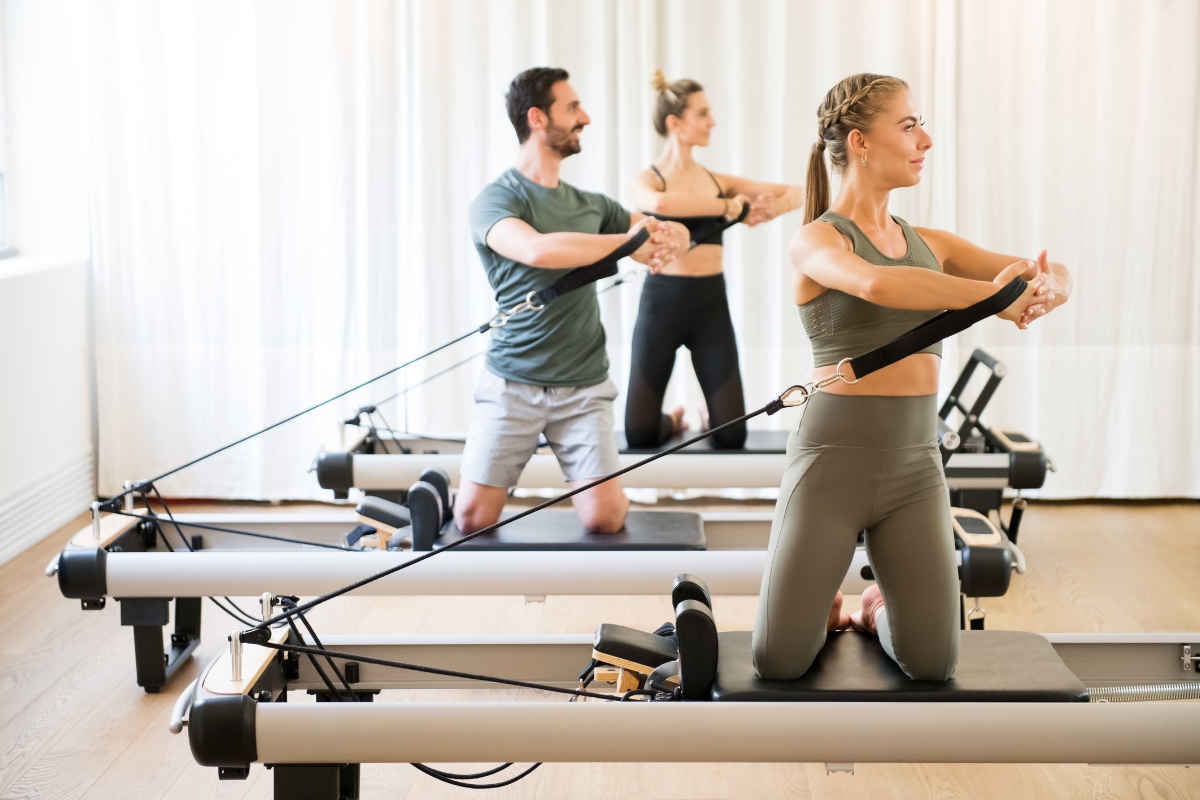
Many Pilates exercises engage the abdominal muscles, back, hips, legs, shoulders, and other stabilizing muscles. Reformer Pilates can add resistance through springs and equipment, making exercises progressively challenging.
Improving muscular strength can make everyday activities easier and may help you become more physically active outside your Pilates sessions.
It Supports Better Movement
Pilates emphasizes posture, alignment, balance, coordination, and controlled movement. Better movement mechanics can make exercise feel more comfortable and manageable.
For someone who has avoided exercise because traditional workouts feel too demanding, a controlled Pilates routine may provide a more approachable starting point.
It Can Improve Flexibility and Mobility
Limited mobility can make exercise and everyday movement uncomfortable. Pilates incorporates controlled movements that work on mobility and flexibility while also developing strength.
Greater mobility can help you participate more comfortably in other activities, such as walking, cycling, swimming, or strength training.
What Can You Expect From a Pilates Studio in New Town?
If you are considering Pilates for weight management, choosing the right environment can make it easier to remain consistent. A Pilates studio in New Town can provide structured sessions, instructor guidance, and an environment where exercises can be adapted to different fitness levels.
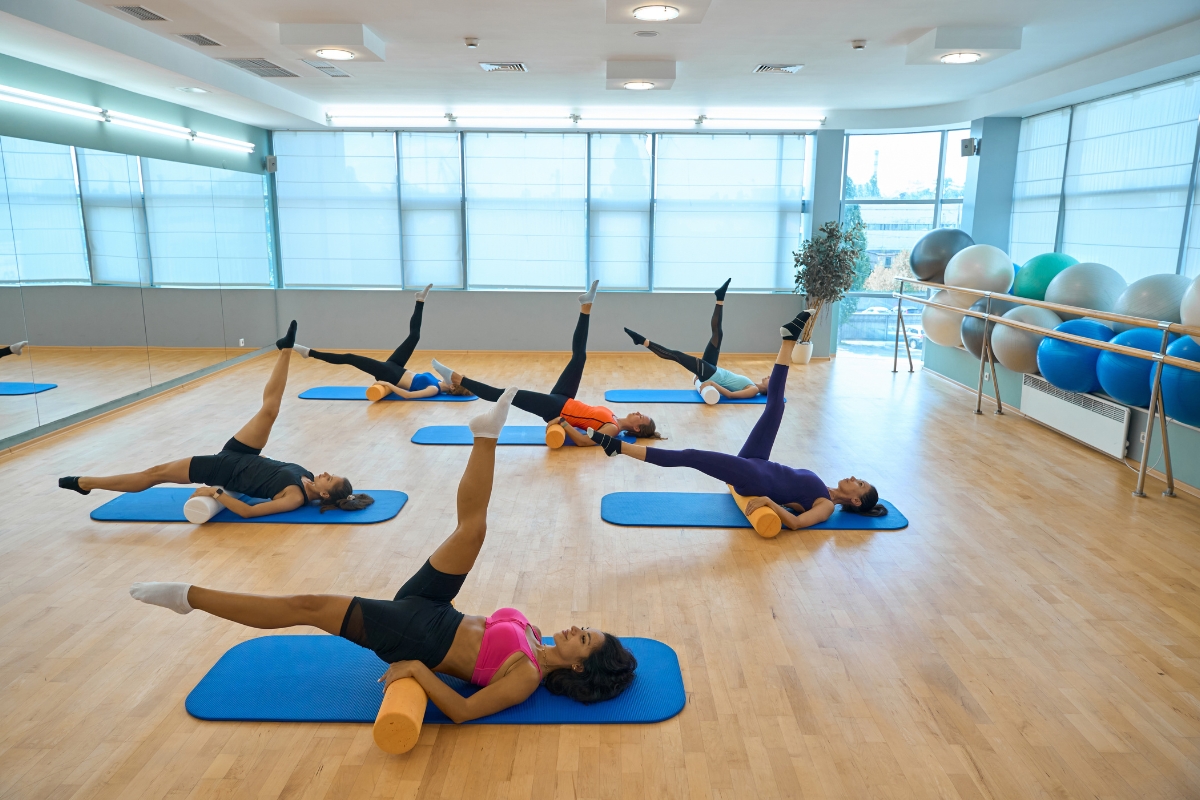
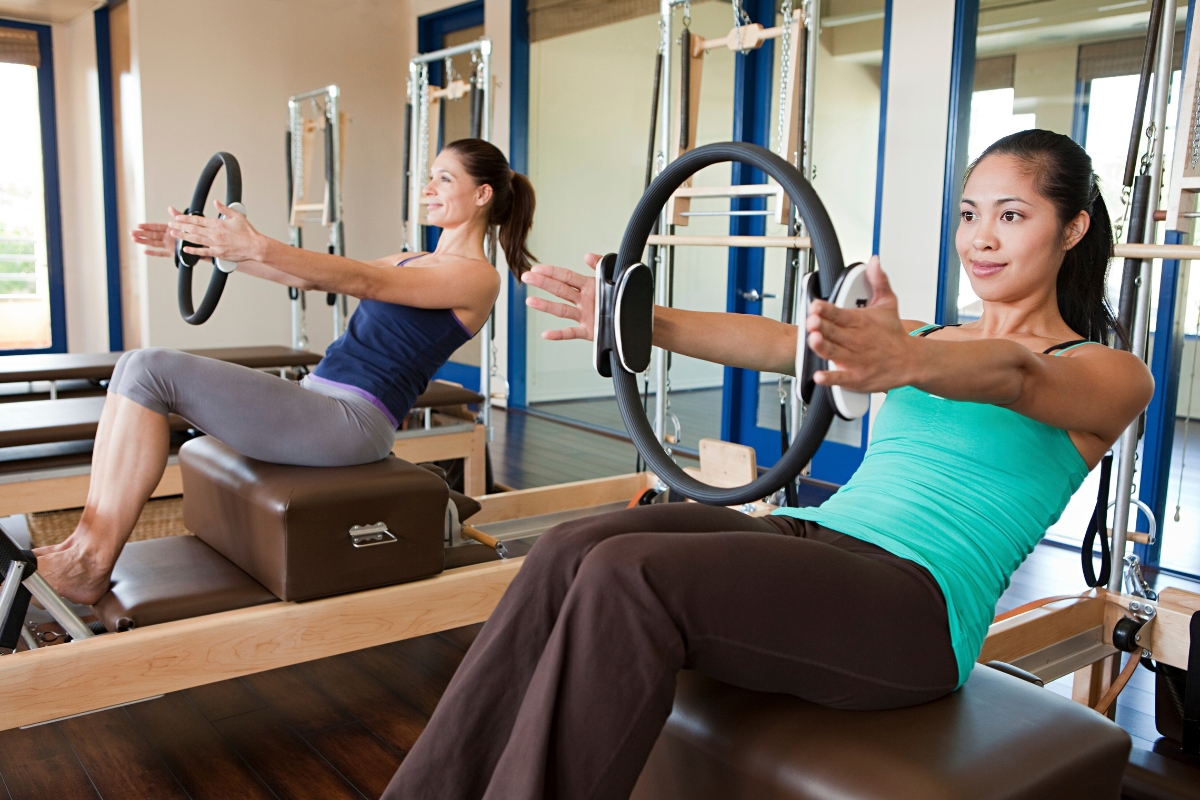
At Inhale Exhale, Pilates sessions include options such as Reformer Pilates, Mat Pilates, and Aero Pilates. The studio also offers private and group sessions, allowing participants to choose an approach that fits their preferences and goals.
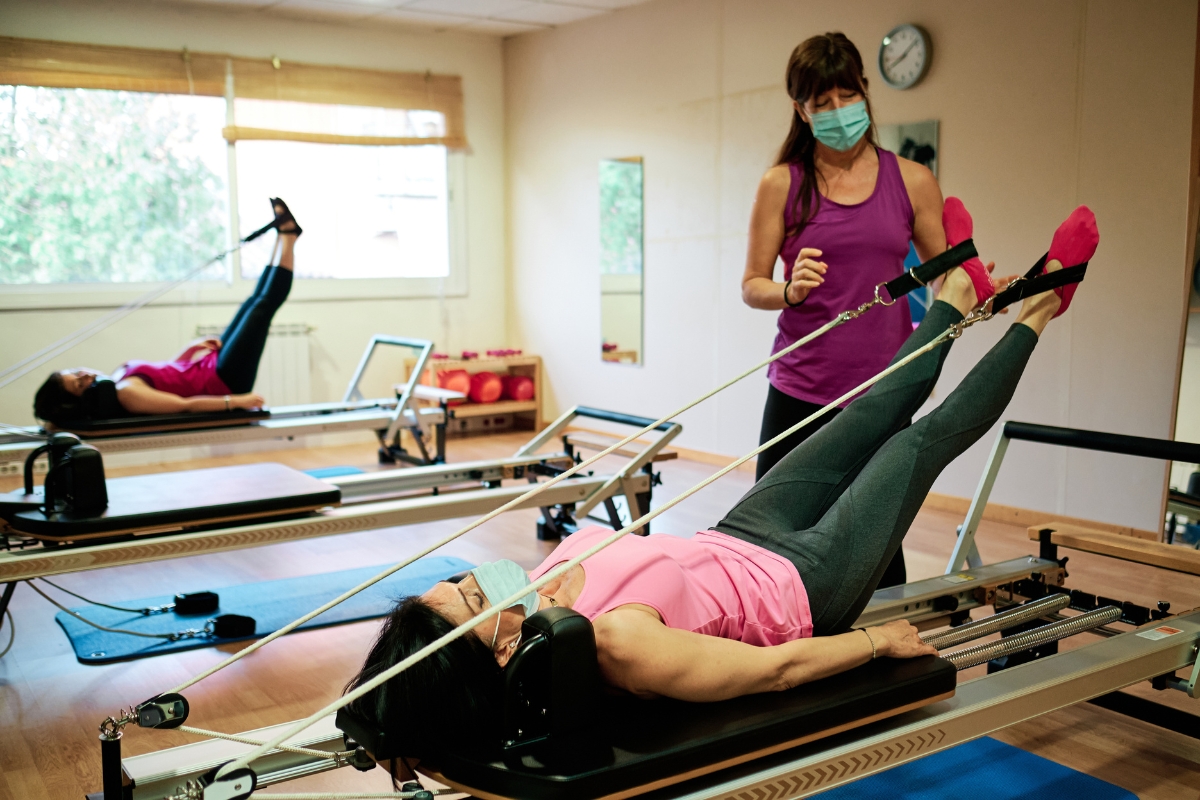
A typical session focuses on controlled movement rather than simply completing as many repetitions as possible. Your instructor may guide you through exercises that challenge your core, legs, arms, hips, and stabilizing muscles while emphasizing breathing and proper alignment.
For beginners, the goal should not be to push through an exhausting workout immediately. Learning the movements correctly and gradually increasing the challenge can help create a more sustainable routine.
Ready to Make Your Fitness Routine More Effective?
If weight loss is your goal, Pilates can be combined with other forms of physical activity to create a well-rounded routine. For example, you might combine Pilates sessions with regular walking, cardiovascular exercise, or resistance training, depending on your fitness level and personal goals.
General physical-activity guidance recommends regular aerobic activity along with muscle-strengthening activities. Pilates can complement this approach, particularly when it is used alongside other appropriate forms of movement.
For evidence-based recommendations about physical activity and healthy weight management, refer to guidance from the Centers for Disease Control and Prevention.
How Often Should You Do Pilates for Weight Management?
Consistency is more important than trying to exercise intensely for a short period and then stopping.
Many people choose to attend Pilates classes two or three times per week. The appropriate frequency depends on your current fitness level, schedule, recovery, and other activities.
If you are new to Pilates, beginning with one or two sessions per week may allow you to learn the exercises and become comfortable with the technique. As your fitness improves, you may be able to increase your frequency.
Remember that Pilates does not need to be your only form of exercise. Combining Pilates with walking or another form of cardiovascular activity can increase your overall activity level and support your fitness goals.
Focus on Progress Rather Than Quick Results
Weight loss does not happen at the same rate for everyone. Your results can be influenced by your diet, activity level, genetics, sleep, stress, age, and other factors.
Instead of judging your progress only by the number on the weighing scale, consider other changes. You may notice improved strength, better posture, greater mobility, improved exercise tolerance, or increased confidence.
These improvements can help you build a healthier relationship with exercise and maintain your routine over time.
Is Reformer Pilates Better for Weight Loss?
Reformer Pilates uses specialized equipment that provides resistance and support during exercises. The equipment can make certain movements more challenging while allowing instructors to adjust exercises according to a participant’s ability.
Because Reformer Pilates can engage multiple muscle groups, it can provide an effective strength-focused workout. However, it is not necessarily “better” for weight loss than every other type of exercise.
The best option depends on your goals, fitness level, preferences, and consistency. If you enjoy Reformer Pilates and can attend classes regularly, it may be a valuable part of your overall fitness routine.
Why Consistency Matters More Than the Workout Trend
The most effective exercise routine is one that you can perform consistently.
A workout may look impressive on social media, but if you dislike it or find it too difficult to maintain, it may not support your long-term goals. Pilates can be appealing because it combines strength, controlled movement, flexibility, and body awareness in a structured format.
Finding a routine you enjoy can make it easier to stay active week after week.
What Should Beginners Know Before Their First Pilates Class?
You do not need to be highly flexible or physically fit before starting Pilates. Beginners can learn the fundamentals gradually.
Wear comfortable clothing that allows you to move freely. Arrive early enough to understand the class format and let your instructor know if you have any injuries, movement limitations, or health concerns.
During your first sessions, concentrate on technique rather than trying to match someone else’s pace. Controlled movement and correct form are important parts of Pilates.
You may also experience muscle fatigue after a session, particularly if you are using muscles that have not been challenged regularly. Give your body enough time to recover and increase the intensity gradually.
Make Your New Town Fitness Routine More Sustainable
If your goal is weight loss, think beyond a single workout. A sustainable fitness routine should include regular movement, balanced nutrition, adequate recovery, and realistic goals.
Pilates can help you build strength and body awareness while giving you a structured reason to stay active. When combined with other suitable forms of physical activity, it can become an effective part of a long-term wellness routine.
At Inhale Exhale Pilates Studio in New Town, participants can explore group and private Pilates sessions designed around different fitness needs. The studio offers Reformer Pilates, Mat Pilates, and Aero Pilates, giving beginners and experienced participants different ways to stay active.
If you are ready to make Pilates a consistent part of your lifestyle, starting with a class that matches your current fitness level can be a practical first step.
Frequently Asked Questions
1. Is Pilates good for weight loss?
Pilates can support weight management by increasing physical activity, improving muscular strength, and helping you develop a consistent exercise routine. For meaningful weight loss, Pilates is best combined with appropriate nutrition and other forms of physical activity.
2. How many times a week should I do Pilates to lose weight?
Many people choose Pilates two or three times per week, although the ideal frequency varies. Beginners should start at a manageable level and gradually increase their activity according to fitness, recovery, and personal goals.
3. Can beginners do Pilates for weight loss?
Yes. Pilates can be adapted for different fitness levels, including beginners. A qualified instructor can demonstrate movements and help you develop proper technique before progressing to more challenging exercises.
4. Is Reformer Pilates effective for weight management?
Reformer Pilates provides resistance and can challenge several muscle groups during a session. It can support strength and overall fitness, which makes it a useful component of a broader weight-management routine.
5. Can Pilates reduce belly fat?
Pilates can strengthen the abdominal and core muscles, but it cannot specifically target belly fat. Fat loss occurs throughout the body and is influenced by overall energy balance, physical activity, nutrition, and individual factors.